
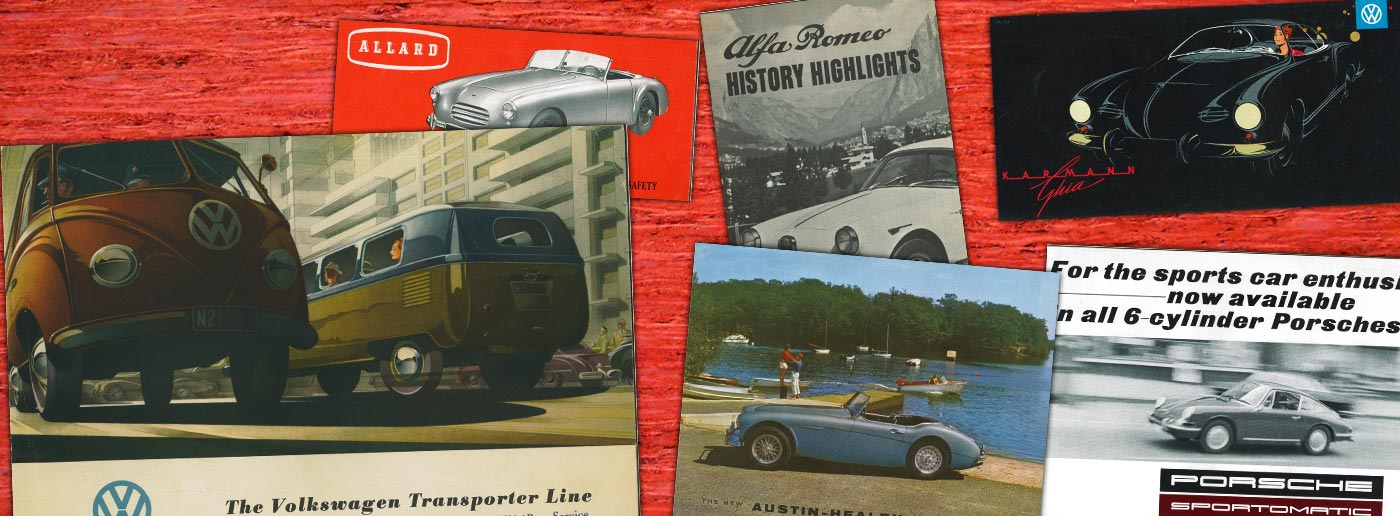
Restoring a 1968 Cougar, a 1970 Monte Carlo, or a vintage pickup? Start with the paint code on the vehicle and a reference for its model year. A period paint chip chart can help you identify the factory color and give a paint supplier a reference to work from.
1. Record the paint code and vehicle details
Write down the model year, make, model, and body style or truck series. Look for the paint or color entry on the vehicle’s identification plate or label. The location and format vary by vehicle, so use a reference for your specific year and make to identify the right field.
Photograph the whole tag and record the code exactly as it appears, including any letters or separators. If the tag is missing or unreadable, check any surviving build sheet, order paperwork, or other records for that vehicle. A year-specific chart can show what colors were offered. Confirming what a particular car left the factory with takes evidence tied to that car.
2. Match the code to a chart for your year and make
Choose a chart for the vehicle’s model year and make, then check that the chart covers your model or truck series. If the code is listed, note the color name and any paint supplier reference shown alongside it. Keep the factory code and the supplier reference together when you share them with a paint shop.
For a two-tone vehicle, confirm which color goes where. If you’re looking for an interior finish, check that the chart covers interior colors. An exterior chart may cover a different set of finishes.
3. Choose the reference that answers your question
A paint chip chart is the place to start if you have a code and want to identify the color. A dealer color brochure can be useful for seeing which colors or two-tone combinations were offered. Check the listing photos and description to see exactly what the publication covers before ordering.
Here are a few examples of what to look for:
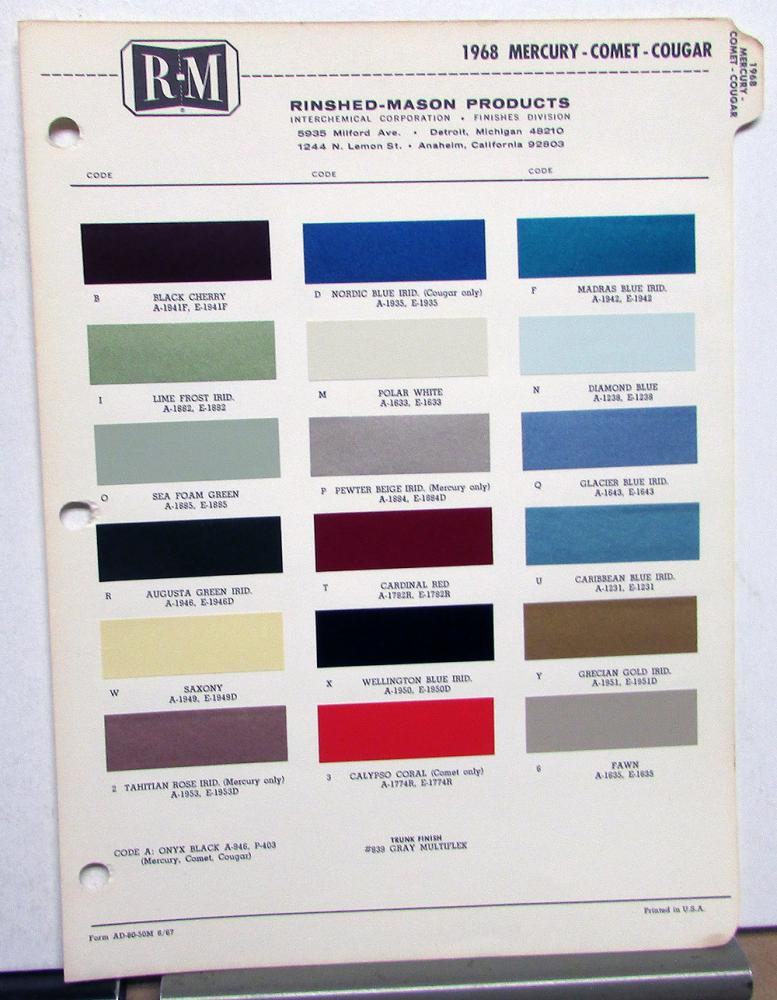
- 1968 Mercury. An R-M paint chip leaflet for 1968 Mercury, with Comet and Cougar named in the listing. See the 1968 Mercury paint chip leaflet.
- 1970 Chevrolet passenger cars. A dealer brochure covering exterior color options and two-tone combinations. The brochure directs Camaro and Corvette owners to their Chevrolet dealer for color information. See the 1970 Chevrolet color options brochure.
- 1968 Cadillac. A PPG Ditzler reference with paint chips and interior combinations. See the 1968 Cadillac paint chip chart.
4. Take the reference to your paint supplier
Bring the tag photo, the factory code, and the chart or supplier reference. Ask the shop to confirm the match and prepare a test sample before you commit to painting the vehicle. If you’re touching up an existing finish, tell the shop that your goal is to match the paint on the car today.
Ready to find a chart? Browse original automotive paint chips and color references. Start with your manufacturer, then narrow by year and check the individual listing for coverage and availability.