

Scroll to top

Automotive Paint Codes & Color References

Find automotive paint codes, factory color charts, paint books, and vehicle color references for cars, trucks, motorcycles, equipment, and classic vehicles. Browse available paint documentation by manufacturer and year to identify original colors, research factory finishes, or support an accurate restoration.

Find the Right Automotive Paint Reference

AutoPaper carries automotive paint code references, factory color charts, paint books, dealer color materials, and other vehicle paint documentation spanning decades of production. Use the catalog filters to narrow the inventory by year, manufacturer, model, or keyword, then review the individual listing to confirm the coverage and type of reference offered.

Showing 397–432 of 956 in-stock items

Browse Automotive Paint Codes by Manufacturer

Know the manufacturer you need? Browse automotive paint references by brand to find available paint charts, color books, factory color information, dealer materials, and related documentation for specific years, models, and vehicle lines.

View All Manufacturers
All A B C D E F G H I J K L M N O P Q R S T U V W X Y Z
A

About Automotive Paint Codes

What Is an Automotive Paint Code?
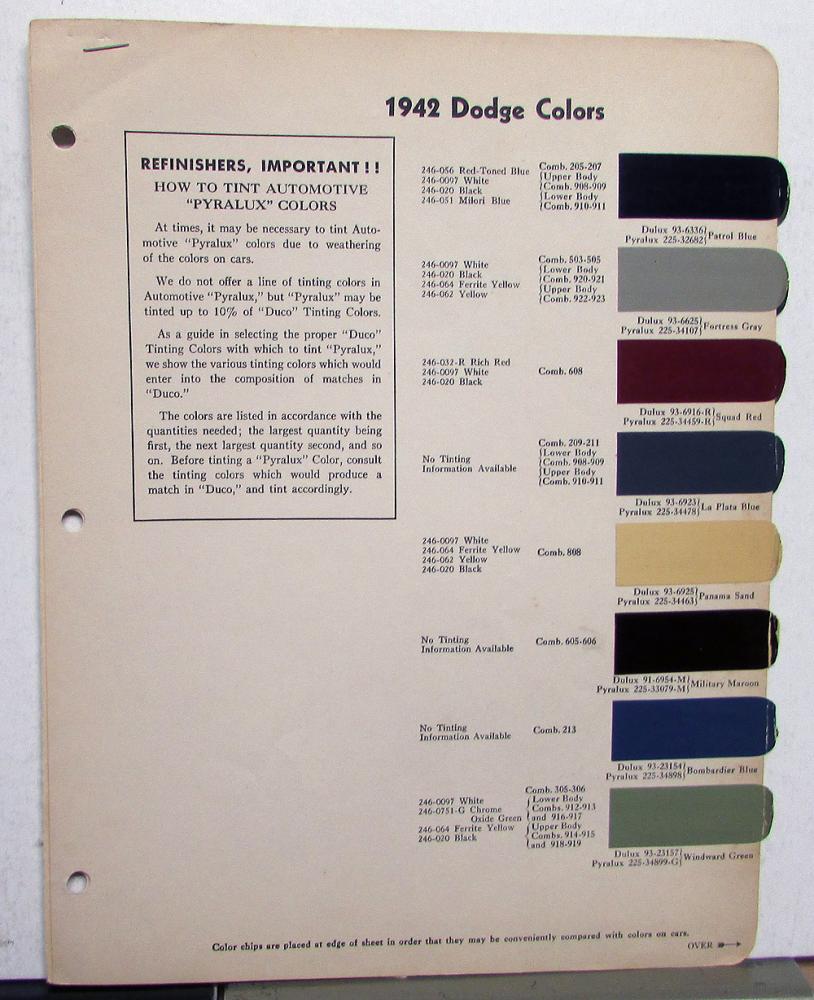
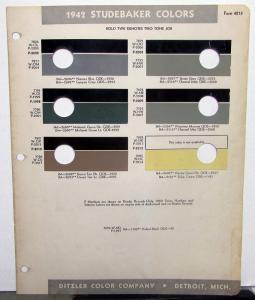
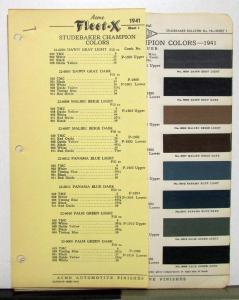
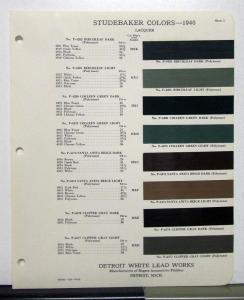
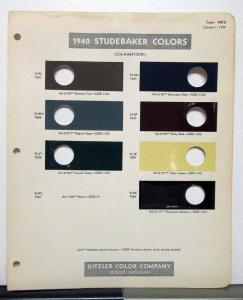
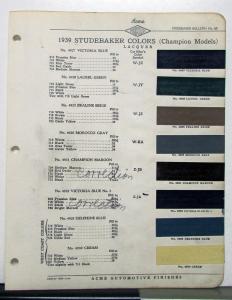
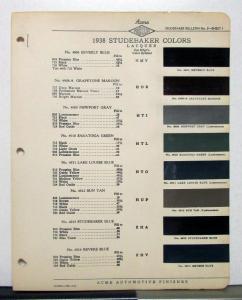
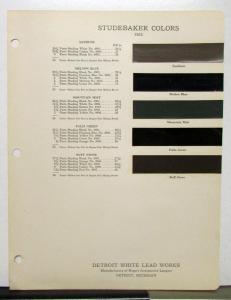
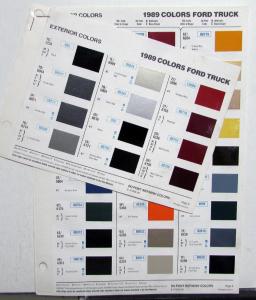
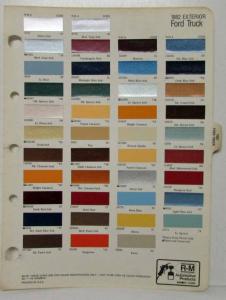
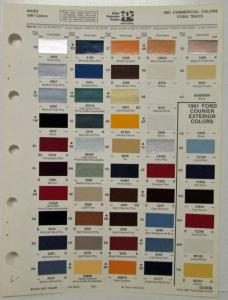
Automotive paint codes and factory color chart references

An automotive paint code is an identifier used to distinguish a particular vehicle color or finish. Manufacturers and paint suppliers use these codes and associated color information to identify finishes used across specific models, years, production lines, and vehicle applications.

Depending on the vehicle, a paint code may appear on a data plate, cowl tag, door jamb label, identification sticker, build information, or other manufacturer documentation. Paint charts and color books can provide additional context by connecting these codes with color names, samples, combinations, and model-year applications.


Paint Codes Factory Colors Color Charts Paint Matching Two-Tone Combinations Original Finishes

Why Automotive Paint Codes Matter

Correct paint identification is especially important when originality, color matching, or historical accuracy matters.

Identify Original Colors

Research the paint colors and finishes offered for a particular manufacturer, model, or production year.

Support Accurate Refinishing

Use period paint information as a reference when matching, researching, or reproducing an original vehicle finish.

Preserve Vehicle Authenticity

Document original color options and combinations when restoring or evaluating a collector vehicle.

A paint code identifies a color specification, but final refinishing may still require professional color matching because paint can fade, age, weather, or vary between production batches.

How to Find the Correct Paint Information

Start with the vehicle year and manufacturer, then compare the available paint documentation with the code or identifying information found on the vehicle.

Year
Manufacturer
Model or Series
Paint Code
Color Name
Reference Type

Paint code locations and formats vary by manufacturer and year. When available, review the individual listing for model-year coverage, color information, chart type, and other application details.

All Vehicle Types

Vehicle Categories Covered

Cars
Cars

Sedans, coupes, convertibles & classic cars

Trucks
Trucks

Pickup trucks & commercial light-duty vehicles

SUVs
SUVs

Sport utility & crossover vehicles

School Bus
School Bus

School & transit bus operator manuals

Tractor
Tractor

Farm & agricultural equipment guides

Motorcycle
Motorcycle

Motorcycles, scooters & two-wheel literature

Construction Equipment

Heavy machinery & operator manuals

Automotive paint references in the AutoPaper catalog cover passenger cars, trucks, SUVs, commercial vehicles, motorcycles, agricultural machinery, construction equipment, collector vehicles, and other specialty applications.

Restoring Original Finishes

Paint Codes for Classic and Collector Vehicles

Paint documentation becomes especially valuable when restoring a vehicle that has been repainted, repaired, or modified during its life. Original finishes may be hidden beneath later paint, identification tags may be difficult to interpret, and color names can vary significantly between manufacturers and model years.

Period paint charts, code references, and color books can help establish which finishes were available when the vehicle was produced and provide a stronger starting point for an accurate restoration.

  • Research original factory colors
  • Identify period-correct paint combinations
  • Compare existing finishes with historical references
  • Support accurate vehicle restorations

Why Collectors Use Original Paint References

For collector and historic vehicles, paint documentation can provide useful evidence about the colors and finishes available when a vehicle was built. These references are especially helpful when researching a vehicle that no longer wears its original paint.

Factory Color Research

Identify colors and finishes associated with a particular vehicle, year, manufacturer, or model line.

Originality Verification

Compare vehicle identification information and existing finishes with available period color references.

Restoration Planning

Use historical paint information when selecting a period-correct finish for a restoration project.

Automotive Color History

Preserve records showing how colors, finishes, and styling trends changed across manufacturers and decades.

Common Uses for Automotive Paint Codes

Paint codes and color references are used for restoration, refinishing, repair, historical research, and originality verification. The correct reference can help connect a vehicle's identification information with the color names and finishes offered during its production period.

  • Identifying an original factory color
  • Researching classic vehicle paint options
  • Matching paint after body or collision repair
  • Planning an authentic restoration
  • Researching two-tone and trim combinations
  • Documenting collector vehicle originality

Because paint appearance changes with age and environmental exposure, historical paint information should be used alongside professional color matching when an exact refinishing match is required.

Frequently Asked Questions

  • An automotive paint code is an identifier used to designate a particular vehicle paint color or finish. The format varies by manufacturer, model, and production year.
  • The location varies by manufacturer and year. Paint information may appear on a door jamb label, identification sticker, cowl tag, data plate, build information, or another manufacturer label. Once you locate the code, a period paint reference can help identify the associated color.
  • In many cases, yes. A paint code or related identification information can help determine the factory color associated with the vehicle. Historical charts and manufacturer references can then help interpret the code and verify the color name or application.
  • A color name is the marketing or descriptive name assigned to a finish, while the paint code is the identifier used to distinguish that formulation or application. Similar color names may use different codes across years or manufacturers.
  • Yes. AutoPaper carries paint charts and color references covering many classic, vintage, antique, collector, and discontinued vehicles from numerous manufacturers and production eras.
  • Yes. Depending on the publication, a paint chart or color book may include color names, paint codes, samples, model-year applications, two-tone combinations, trim information, or paint supplier references.
  • A historical paint code can provide an important starting point, but modern paint suppliers may need to cross-reference the code or create a custom match. Existing vehicle paint can also fade or change over time, so professional color matching may still be necessary.
  • Yes. Available paint references extend beyond passenger cars and may include trucks, commercial vehicles, motorcycles, agricultural equipment, construction equipment, and other specialty applications.
  • Yes. Some publications focus on one manufacturer or model year, while paint supplier books and other references may cover multiple manufacturers, models, or production years. Check the individual listing for exact coverage.

Find Paint Codes & Color References for Your Vehicle

Search the catalog above by year, manufacturer, model, or keyword to find available automotive paint codes, factory color charts, paint books, dealer color references, and historical finish information for cars, trucks, motorcycles, equipment, and collector vehicles.

Historic Paint Documentation

Browse paint charts, color books, code references, and other automotive finish documentation from decades of production.

Broad Manufacturer Coverage

Search paint information covering hundreds of manufacturers, model years, and vehicle applications.

Built for Restoration Research

Useful for restorers, collectors, body shops, vehicle owners, researchers, and enthusiasts.

Multiple Reference Types

Find factory color charts, paint supplier references, dealer materials, code information, and historical color documentation.

AutoPaper
Preserving Automotive History

Autopaper is a living archive of automotive history in print. Built from decades of private collecting, the archive preserves rare and original materials from the earliest days of the automobile onward.

Contact Us
(336) 264-3706
1452 Industry Drive Burlington, NC, 27215
info@autopaper.com